Winter Neuro Wellbeing: How Cold, Light and Routine Affect Your Clients
As autumn turns towards winter across the Northern Hemisphere, the days become shorter, mornings become darker and temperatures begin to fall. For some people, winter…
As autumn turns towards winter across the Northern Hemisphere, the days become shorter, mornings become darker and temperatures begin to fall. For some people, winter…
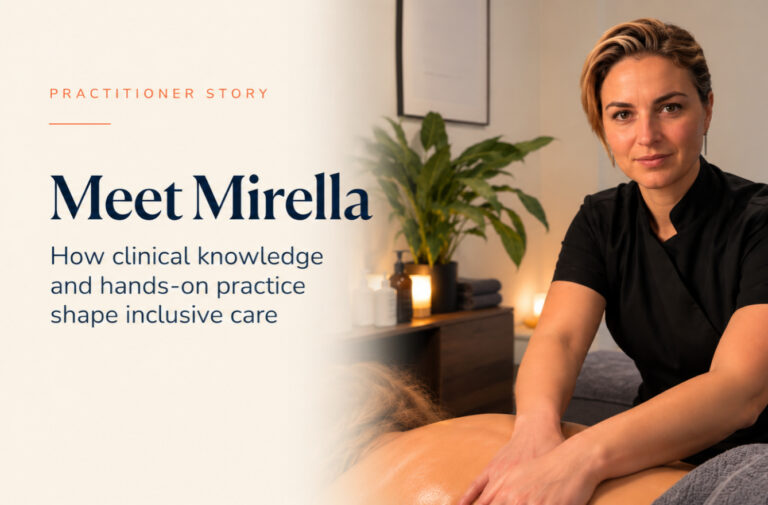
What is therapeutic touch? Therapeutic touch refers to safe, structured, and consent-led physical contact used to support relaxation, emotional regulation, and overall wellbeing. Unlike clinical…
Myths About Massage and Why Understanding Neurological Conditions Supports Safer Practice One of the biggest myths about massage is that people living with neurological conditions…

A therapist safeguarding concern can arise in any healthcare, wellness, or therapeutic setting. For massage therapists, these situations are often unexpected. A client may say…
Most people think good sleep begins when they get into bed. In reality, it often starts much earlier. One of the most powerful influences on…
Consent In Neurological Care: Understanding Communication Differences Consent In Neurological Care is an essential topic for massage therapists and other professionals working with neurological clients….
Parkinson’s disease affects the parts of the brain involved in movement control, coordination, posture, and muscle activity. The condition gradually changes the way the brain…
Understanding how stroke affects movement, sensation, and recovery in massage therapy practice Stroke can affect the body in several ways, and these changes may influence…

For most of the last decade, qualified massage therapists have been telling me the same thing: they want to work with clients living with neurological…
Understanding the Difference Between Normal Tiredness and Neurological Fatigue Neurological fatigue is a common but often misunderstood challenge experienced by people living with neurological conditions….
These courses are built for real life – practical, plain-English, and designed to be useful from day one. Here’s what you can expect.
Every course is built around clinical outcomes – not just theory. Here’s what you get when you enrol.