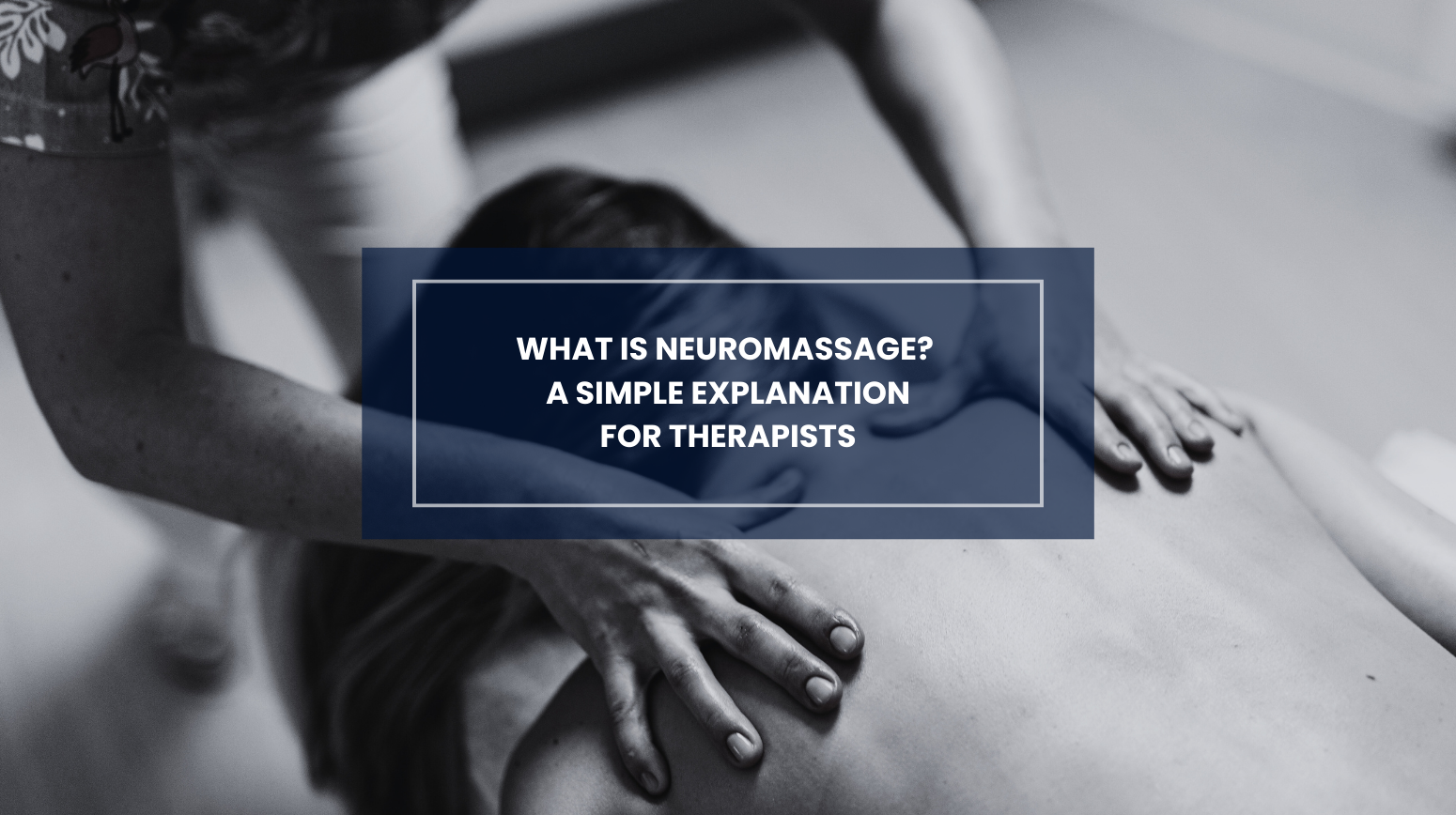
What Is NeuroMassage? A Simple Explanation for Therapists
Many massage therapists hear the term NeuroMassage and assume it refers to a specialized set of hands-on techniques. Some imagine it involves learning a completely different way of performing massage.
In reality, NeuroMassage is still massage. The difference lies in the therapist’s understanding of neurological conditions and how they influence the body.
NeuroMassage focuses on clinical understanding — helping therapists recognize how neurological conditions affect movement, sensation, fatigue, and muscle tone. With this understanding, therapists can adapt their existing massage skills more confidently when working with clients who live with neurological conditions.
NeuroMassage can be understood as the integration of established massage skills with a deeper understanding of how neurological conditions affect the body.
Therapists already have the hands-on techniques. NeuroMassage simply adds the knowledge needed to apply those skills more thoughtfully when neurological conditions are present.
Clients living with neurological conditions may experience changes in how their body moves, feels, and responds to touch.
These conditions can include:
Because the nervous system plays a central role in movement and sensation, these conditions can influence the massage experience in several ways.
For example, a client may experience:
- sensory changes such as numbness or hypersensitivity
- differences in coordination or movement control
- altered muscle tone, including stiffness or spasticity
Without understanding these changes, therapists may feel uncertain about how to adapt their sessions. With a stronger understanding of neurological conditions, therapists can make more informed decisions during treatment and work with greater confidence.
Most massage therapy training focuses primarily on musculoskeletal conditions and working with generally healthy bodies. As a result, many therapists receive little practical guidance on working with neurological conditions.
As a result, therapists may encounter neurological clients in practice but feel unsure about how their condition might influence massage treatment.
NeuroMassage education helps fill this gap by focusing on how neurological changes affect the body and the massage experience.
| Focus Area | Traditional Massage Training | NeuroMassage Knowledge |
|---|---|---|
| Primary emphasis | Muscles, joints, and soft tissue | Nervous system and neurological conditions |
| Client focus | Generally healthy bodies or musculoskeletal injuries | Clients with neurological conditions |
| Techniques | Massage techniques and bodywork skills | Uses the same massage techniques |
| Additional knowledge | Anatomy and injury management | Neurological symptoms, fatigue, sensory changes, muscle tone |
| Therapist confidence | Strong for general massage clients | Greater confidence with neurological clients |
This comparison shows that NeuroMassage does not replace massage training — it expands the therapist’s understanding when working with neurological conditions.
It is important to clarify that NeuroMassage does not replace medical treatment, physiotherapy, or neurological rehabilitation.
Massage therapists are not diagnosing or treating neurological conditions.
Instead, NeuroMassage focuses on providing massage that supports:
- comfort
- relaxation
- reduced stress
- overall wellbeing
By combining massage skills with a better understanding of neurological health, therapists can offer treatments that complement other forms of care while remaining within their professional scope.
NeuroMassage encourages therapists to expand their knowledge so they can better understand the clients they work with.
When therapists understand how neurological conditions affect the body, they can adapt sessions thoughtfully while continuing to use the massage techniques they already know.
In this way, NeuroMassage is not about changing massage — it is about bringing deeper knowledge to the work therapists already do.
If this topic interests you, you may enjoy our newsletter.
The Neuro Training School newsletter shares insights on neurological conditions, therapist education, and practical approaches to working with neurological clients.
Subscribe below to stay informed about new articles, resources, and updates from Neuro Training School.