Read any care plan or consultant's letter, and actually understand it
The words used in neurological care, explained in plain English. For families, carers and professionals who are tired of nodding along, so you can follow conversations, read notes with confidence and ask the right questions.

Nobody stops to explain the words
Hemiparesis, spasticity, dysphagia, proprioception. They come up in every letter, care plan and handover, and most people are left to guess. This course gives you the words, what they mean and what they can look like day to day.
What changes after this course
From guessing what the notes mean to explaining them in everyday words.
Before
- Nodding along in meetings and appointments
- Googling words late at night and getting more worried
- Not wanting to ask in case it sounds silly
- Notes full of abbreviations you can't decode
- Unsure which words mean something needs attention
After
- You follow conversations with doctors, nurses and therapists
- You break a medical word into parts and work out what it means
- You ask clear questions and share what you notice
- You read letters, notes and care plans with confidence
- You recognise words that mean something is urgent, within your role
What's inside the course
Six modules, with medical illustrations, real-style letters, notes and care plans, and short practice checks.
Introduction and Foundations
How medical words are built, so you can work out terms you've never seen before.
The Nervous System Made Simple
The main parts of the nervous system and what each one does, in plain words.
Symptoms and Presentations
Common symptoms and what they can look like in everyday life.
Clinical Notes and Care
Conditions, devices, medications and assessments you'll see written in notes.
Applying Terminology to Practice
Reading a letter or care plan and explaining it in everyday words.
Final Assessment
15 questions. Get 9 right to pass, and retake it as many times as you need.
Made for everyone who hears these words


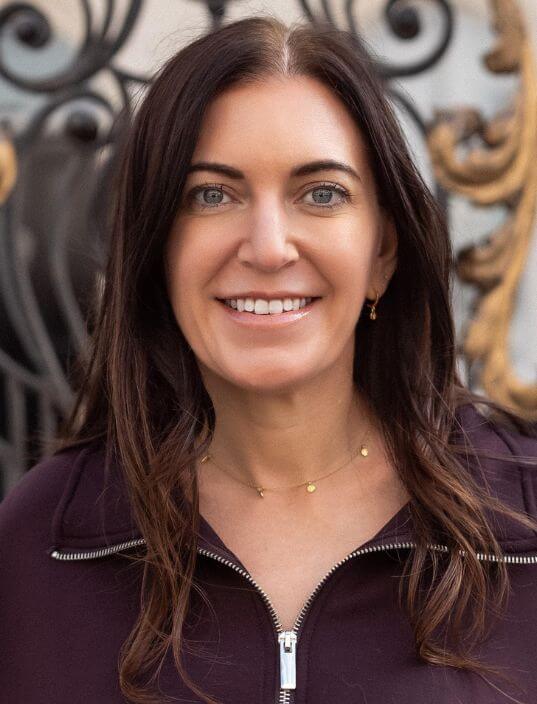
"After more than 20 years working with people with neurological conditions and their carers, I've seen how much confusion the medical words cause. This course brings together what I've learned in practice and what the research shows, so anyone who supports others can understand them too."
Gemma EvesFounder, Neuro Training School · working as a massage therapist since 2001Everything you get
- Six modules of online learning with voiceover
- Medical illustrations and real-style letters, notes and care plans
- Short practice checks in every module
- The Neuro Terminology Handbook: a downloadable A to Z guide with UK, Australian, US and Canadian spellings
- Certificate in Neuro Terminology when you pass the final assessment
- 12 months access, on any device, at your own pace
Training a team?
Care providers, home care agencies, clinics and rehab teams can enrol staff together, with team pricing and one point of contact. A simple way to help every carer read care plans with confidence.
Questions
Who is this course for?
Family members, friends, carers, support workers and professionals who hear neurological terms and want to understand them.
Do I need a medical background?
No. You don't need any previous qualification or medical background. Every term is explained in plain English.
How long do I have?
You have 12 months access. It's fully online, so you can study at your own pace and pick up where you left off.
Do I get a certificate?
Yes. When you pass the final assessment you receive the Certificate in Neuro Terminology from Neuro Training School. You need 9 out of 15 to pass, and you can retake it as many times as you need.
Does it cover UK, Australian and US terms?
Yes. The course and the A to Z handbook show UK, Australian, US and Canadian spellings and terms, so you can follow notes and letters wherever they come from.
Will this course teach me to give medical advice?
No. It helps you understand words used in neurological care. It does not train you to diagnose, treat or advise on medication.
This course is for education only. It explains words used in neurological care. It does not train you to diagnose, treat or give medical advice.
Are you a massage therapist who wants to go further? Our NeuroMassage training covers working with neurological clients in depth.