NeuroMassage Alongside Physiotherapists: Supporting Comfort in Neurological Care
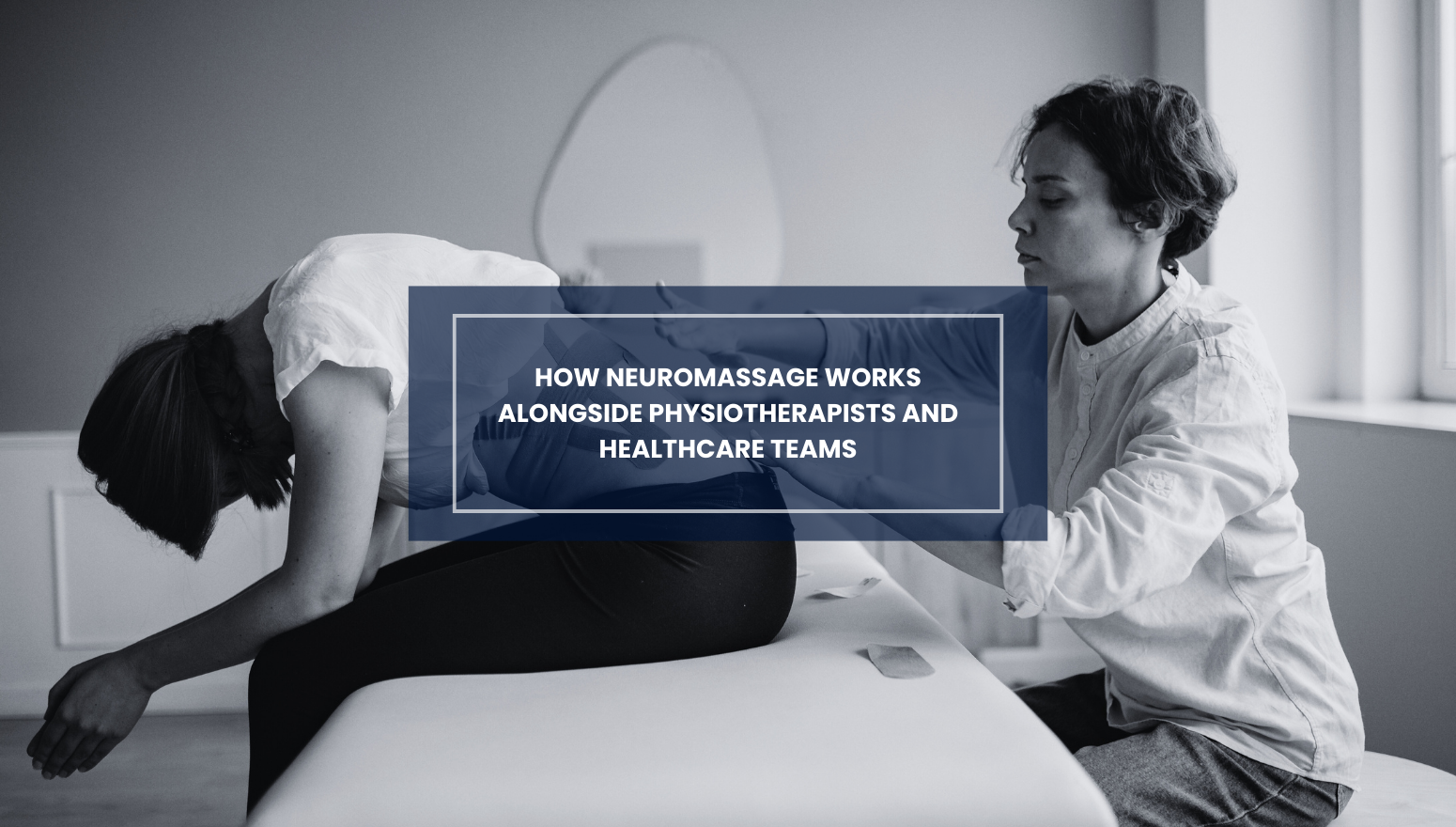
NeuroMassage alongside physiotherapists plays an important supportive role for people living with neurological conditions. While it does not replace physiotherapy, rehabilitation, or medical care, it can complement these services by focusing on comfort, relaxation, and overall wellbeing.
People living with neurological conditions often receive care from multiple healthcare professionals. Changes in movement, sensation, fatigue, and daily function can affect many aspects of life, which is why a collaborative team approach is often necessary. Understanding how NeuroMassage fits alongside physiotherapists and other professionals helps clarify the unique contributions of each role and enhances overall care.
Neurological care is frequently collaborative because these conditions can affect the body in complex ways. Some professionals focus on diagnosis and medical treatment, while others work on improving movement, independence, or daily comfort.
A person living with a neurological condition may work with several professionals, each with a different focus.
| Code for Professional | Main Focus |
|---|---|
| Neurologists | Diagnosis, monitoring neurological conditions, and medical treatment |
| Physiotherapists | Rehabilitation exercises, mobility, strength, and functional movement |
| Occupational Therapists | Supporting independence in everyday activities |
| Rehabilitation Teams | Coordinated therapy and long-term management |
| Carers and Support Workers | Assistance with daily tasks and physical support |
| Massage Therapists | Comfort, relaxation, and easing muscle tension |
Because these roles differ, they often support different aspects of a person’s wellbeing rather than overlapping directly.
Physiotherapy and massage therapy may appear similar at first glance because both involve hands-on work with the body. However, their goals and methods are typically different.
Physiotherapists often focus on improving functional movement. Their work may involve exercises designed to strengthen muscles, improve balance, support coordination, or retrain movement patterns. These treatments are often part of a rehabilitation process aimed at improving mobility and independence.
Massage therapy, including NeuroMassage, usually focuses on comfort and relaxation. Sessions may aim to ease muscle tension, encourage relaxation, and provide a calm therapeutic experience. While massage does not treat the neurological condition itself, it may support general wellbeing.
These approaches can be viewed as different layers of support within neurological care.
Neurological Care Support
Rather than replacing one another, physiotherapy and NeuroMassage can address different needs at the same time.
For people living with neurological conditions, physical comfort can be an important part of daily wellbeing. Changes in posture, muscle tone, or movement patterns may sometimes lead to tension or fatigue. Supportive massage can provide an opportunity for the body to relax and experience gentle therapeutic touch.
Massage therapists who work with neurological conditions often adapt their sessions to suit individual needs. For example, some clients may require additional support for comfortable positioning, while others may experience altered sensation that affects how pressure should be applied.
Therapists may therefore take factors such as fatigue, positioning, and mobility into account when planning a session. Allowing extra time for position changes, ensuring proper support with pillows or bolsters, and using slower, calming techniques can help create a more comfortable experience.
The aim in these cases is not to treat the neurological condition itself but to support relaxation and comfort.
When individuals work with multiple healthcare professionals, communication can sometimes help therapists better understand a client’s needs. While collaboration varies depending on the situation, general awareness of a client’s condition and support requirements can help massage therapists provide care that fits within a broader treatment plan.
Several considerations may be relevant when working with neurological conditions.
| Consideration | Why It Matters |
|---|---|
| Fatigue levels | Neurological fatigue may affect session length and intensity |
| Positioning needs | Some individuals require additional support for comfort |
| Movement challenges | Understanding mobility limitations helps therapists plan transitions |
| Sensory changes | Altered sensation may influence pressure and technique |
Education also plays an important role. Therapists who study neurological conditions gain a better understanding of how the nervous system affects movement, sensation, and fatigue. This knowledge can help therapists recognise patterns such as changes in muscle tone, movement limitations, or differences in sensitivity.
NeuroMassage education does not replace medical or rehabilitation training. Instead, it helps massage therapists work more confidently and responsibly with clients who have neurological conditions while remaining within their professional scope.
Understanding scope of practice is essential when working alongside healthcare professionals. NeuroMassage supports comfort, relaxation, and wellbeing, but it does not diagnose conditions, provide rehabilitation exercises, or replace physiotherapy or medical care.
A simple comparison highlights how these roles remain distinct.
| Area of Care | Physiotherapy | NeuroMassage |
|---|---|---|
| Rehabilitation exercises | ✓ | ✕ |
| Mobility training | ✓ | ✕ |
| Clinical treatment planning | ✓ | ✕ |
| Muscle relaxation | ✓ | ✓ |
| Comfort and relaxation | ✓ | ✓ |
| Stress reduction | ✓ | ✓ |
When these roles are clearly understood, healthcare professionals can work together to create a more supportive and effective care environment.
For individuals living with neurological conditions, wellbeing often involves more than medical treatment alone. Comfort, relaxation, and supportive touch can play an important role in improving quality of life. Within a multidisciplinary setting, NeuroMassage can complement physiotherapy and other therapies by focusing on these supportive aspects of care, helping create a more holistic experience for people navigating neurological conditions.
To stay informed about upcoming course releases, new blog articles, and other updates, we invite you to subscribe to our email list below. Subscribers will be among the first to receive announcements, educational resources, and opportunities to deepen their learning in NeuroMassage.