
Why Safeguarding in Massage Matters in Wellness Settings
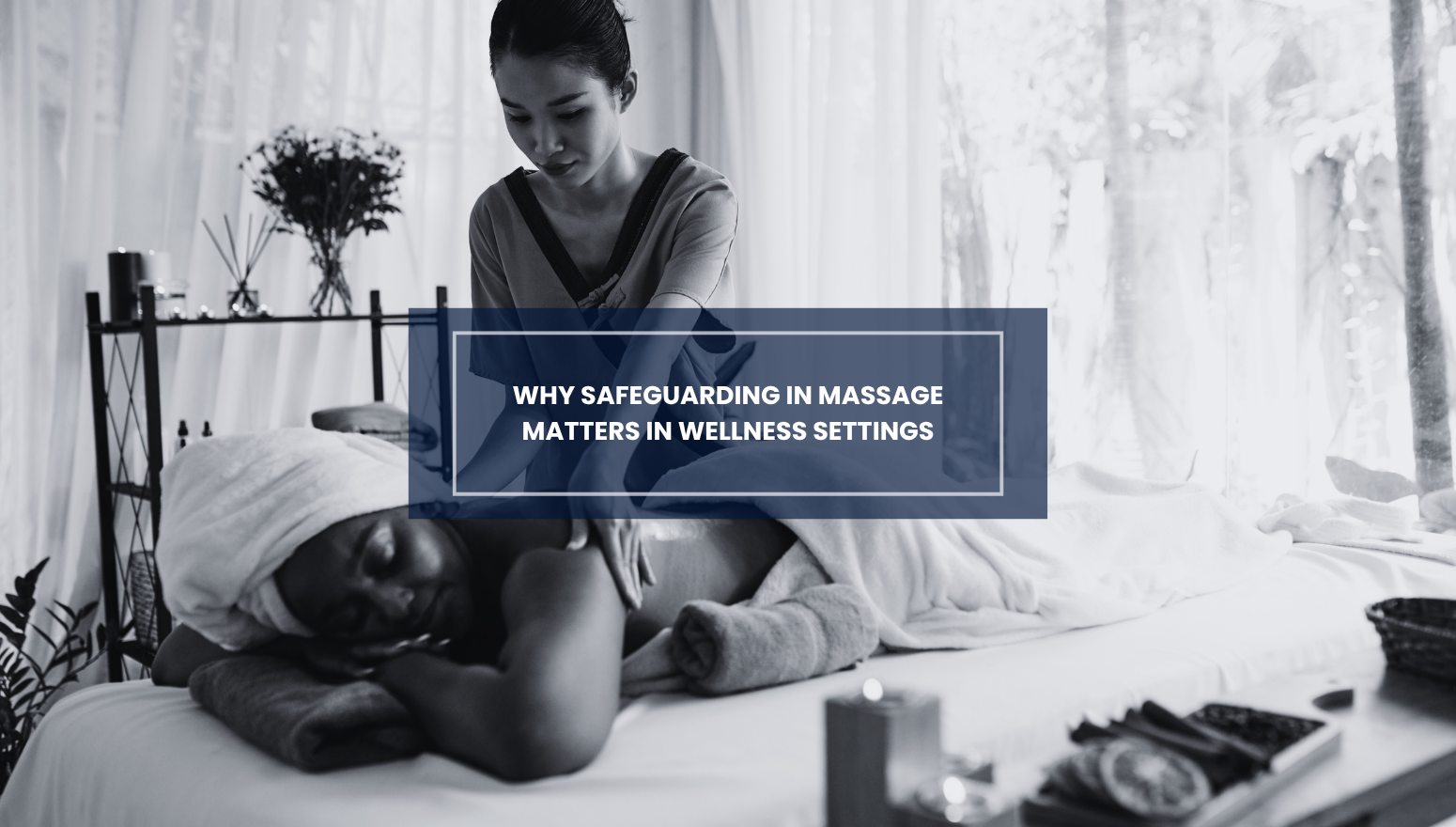
Safeguarding in Massage: Why It Is Essential in Wellness Practice
In massage and wellness environments, therapists often work closely one-to-one with clients, supporting their physical comfort, relaxation, and overall wellbeing. Because of this close interaction, wellness professionals may observe changes in a client’s physical, emotional, or behavioural state that others might not notice. This is why safeguarding in massage is a critical aspect of professional practice, ensuring that every client’s safety, dignity, and wellbeing are prioritized at all times.
Safeguarding in massage refers to the policies, practices, and awareness that protect individuals from harm, neglect, or abuse while promoting their overall wellbeing. In massage and wellness professions, this is especially important for vulnerable adults—people with disabilities, neurological conditions, cognitive impairments, or chronic health issues. However, vulnerability can also arise from circumstances such as reduced mobility, reliance on carers, mental health challenges, or difficulty communicating needs. By understanding safeguarding, therapists can approach each session with heightened awareness, attentiveness, and ethical responsibility.
Being aware of safeguarding allows therapists to notice potential warning signs without making assumptions. It also guides them on how to respond safely and appropriately within their professional boundaries. Education and training in safeguarding provide essential knowledge about professional limits, observation techniques, and reporting procedures, all of which support client safety while maintaining ethical practice standards.
A practical way to illustrate the importance of safeguarding awareness is through scenario-based visualization. For instance, consider a situation where a therapist notices something unusual during a session, such as bruising, discomfort, or a sudden change in a client’s behavior:
This visual demonstrates that safeguarding in massage is not about making assumptions or judgments. Rather, it emphasizes the importance of careful observation, appropriate documentation, and following established professional guidance. Therapists trained in safeguarding can respond with clarity, confidence, and structure, which ultimately enhances client trust and safety.
Understanding safeguarding also means knowing when to seek guidance. Therapists are not expected to resolve complex or ambiguous situations alone. They are encouraged to follow organizational protocols, consult supervisors, or contact safeguarding authorities when necessary. This ensures that client wellbeing remains the top priority while therapists remain safe, confident, and legally compliant.
Beyond observation and reporting, safeguarding awareness reinforces professional boundaries and ethical conduct. It helps therapists maintain a safe environment, respect client autonomy, and respond responsibly if concerns arise. Clear boundaries and consistent ethical practice prevent misunderstandings, promote trust, and support a therapeutic relationship that benefits both client and practitioner.
In addition, safeguarding is closely linked to broader wellness outcomes. Clients are more likely to feel safe, respected, and comfortable when therapists demonstrate awareness and proactive care. Conversely, neglecting safeguarding can compromise both physical and emotional safety, reducing the effectiveness of treatment and potentially placing clients at risk. For wellness professionals, integrating safeguarding into everyday practice ensures that sessions are not only physically restorative but also emotionally secure.
Education in safeguarding also empowers therapists to recognize patterns that may indicate emerging risks. For example, repeated unexplained discomfort, changes in mobility, or behavioral shifts may warrant further attention. Therapists trained in safeguarding are equipped to respond appropriately, balancing sensitivity with professionalism. This proactive approach minimizes risk while fostering an environment of trust, support, and respect.
Ultimately, safeguarding in massage is an ongoing commitment. It is embedded in every interaction, from how therapists greet clients and discuss consent, to how they observe, document, and respond to any concerning signs. Understanding these responsibilities ensures that massage and wellness sessions prioritize client safety, uphold ethical standards, and strengthen the professional reputation of therapists and wellness centers alike.
If you want to stay informed about best practices in safeguarding, learn more about NeuroMassage, and gain practical tips for working confidently with diverse and vulnerable clients, subscribing to our newsletter is an excellent step. You’ll receive expert insights, up-to-date guidance, and actionable strategies designed for massage therapists seeking to enhance their skills, maintain safe practice, and provide the highest level of client care. By joining, you ensure that your professional knowledge continues to grow, helping you deliver ethically responsible, safe, and effective wellness services to every client.