Understanding Sensory Changes in Neurological Conditions
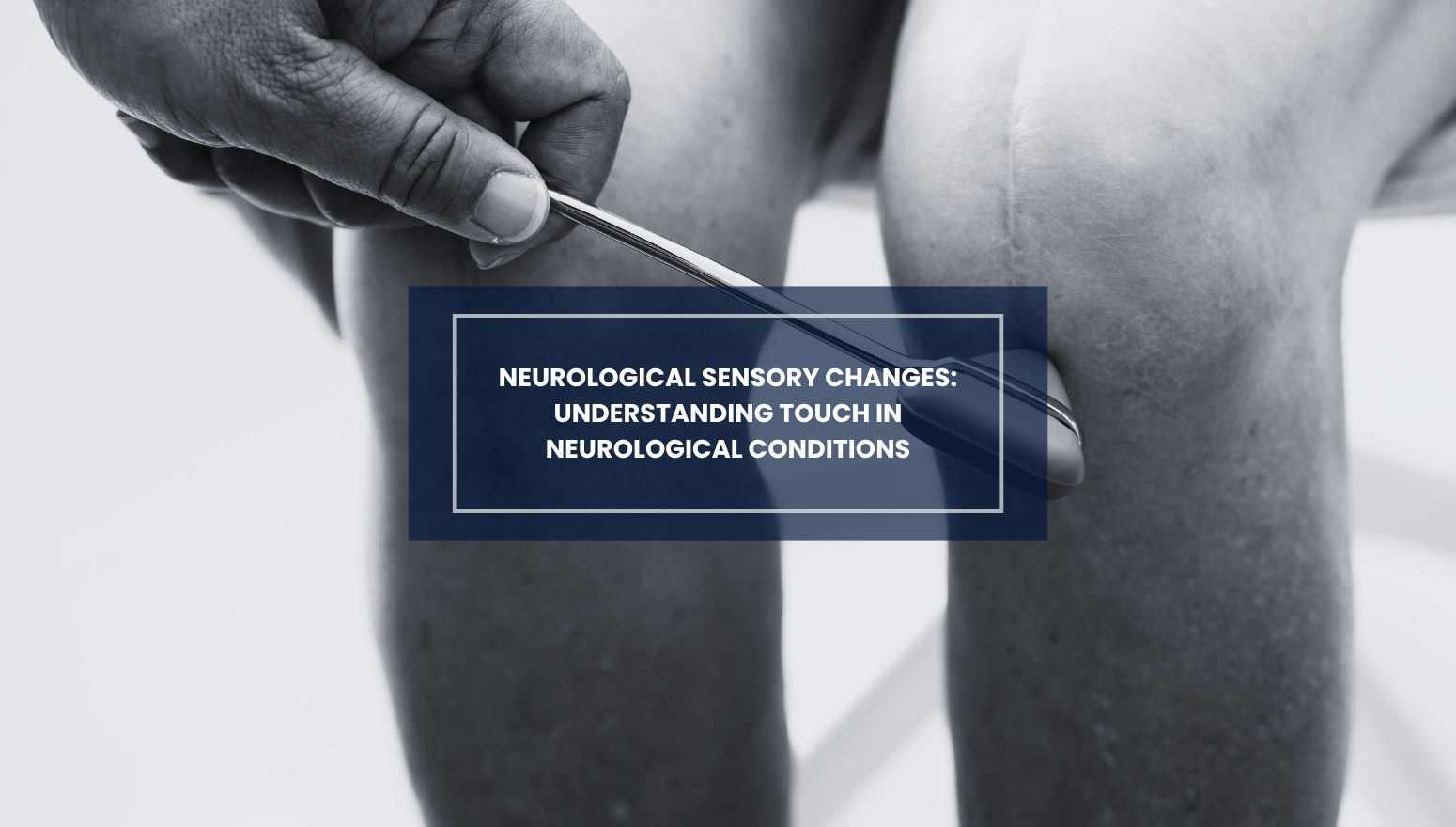
Understanding Sensory Changes: How Neurological Conditions Affect Touch and Sensation
Understanding sensory changes is essential for recognizing how neurological conditions can affect the way people experience touch, pressure, temperature, and pain. These changes occur because the nervous system is responsible for processing sensory information throughout the body. When illness or injury impacts the brain, spinal cord, or peripheral nerves, signals may become altered or disrupted—changing how sensations are perceived. For massage therapists, understanding these sensory differences is crucial for working safely and respectfully with clients.
In everyday life, the nervous system constantly gathers information from the body. Sensory receptors in the skin detect touch, temperature, and pressure, sending signals through nerves to the spinal cord and brain. The brain then interprets these signals, allowing a person to recognize whether a sensation feels light or firm, warm or cool, or comfortable or uncomfortable.
Neurological conditions can disrupt this communication process. Signals may travel more slowly, arrive incompletely, or be interpreted differently. As a result, the same physical touch may feel very different for someone experiencing neurological sensory changes.
One common effect is reduced sensation, where certain areas of the body feel numb or less responsive. Touch may feel faint or distant, often due to weakened or damaged nerve pathways.
Other individuals may experience hypersensitivity, where the nervous system reacts more strongly than expected. Light touch may feel intense or uncomfortable, making gentle contact overwhelming.
There is also altered sensation, where the quality of feeling changes entirely. Clients may describe tingling, burning, buzzing, or “pins and needles.” These sensations occur when nerve signals are disrupted or processed differently by the brain.
Sensory changes can also influence how temperature, pressure, and pain are perceived. Warmth may feel hotter than expected, and pressure may feel stronger or weaker than intended. This means a therapist’s usual expectations of touch may not always match the client’s experience.
A variety of neurological conditions can contribute to these changes. For example, individuals who have experienced a stroke may have altered sensation on one side of the body. Multiple sclerosis can affect nerve signal transmission, leading to numbness or heightened sensitivity. Spinal cord injuries may interrupt communication between the body and brain, while peripheral nerve damage can create localized sensory differences.
Importantly, neurological sensory changes are highly individual. Even people with the same condition may experience very different sensory patterns. Sensation may vary across areas of the body and can change over time due to fatigue, stress, or other symptoms.
This relationship can be understood as a process:
Recognizing understanding sensory changes helps massage therapists approach sessions with greater awareness. Instead of assuming touch will be experienced in a predictable way, therapists can adapt their techniques based on each client’s unique sensory response.
Education plays a key role in building this understanding. NeuroMassage (Neurological Massage) education focuses on how neurological symptoms influence sensation, movement, and fatigue. This knowledge supports therapists in communicating effectively and adjusting their approach within their existing scope of practice.
It’s important to note that NeuroMassage does not introduce new massage techniques. Instead, it enhances awareness of neurological sensory changes, allowing therapists to work thoughtfully and safely with clients.
By understanding sensory changes in neurological conditions, massage therapists can provide more supportive and comfortable care. Listening to client feedback and respecting individual sensory experiences ensures that therapeutic touch remains effective and aligned with overall wellbeing.
If you want to learn more about NeuroMassage and work confidently with clients experiencing neurological sensory changes, subscribe to our newsletter. You’ll receive practical tips, expert insights, and the latest updates—all designed to help massage therapists deepen their skills and enhance client care.